Art has always been a way for people to tell their stories, to process emotions, and to shape culture. But for centuries, the stories of women artists were often overlooked, their work dismissed or credited to male counterparts. Thankfully, that’s changed—though the fight for equal recognition in the art world is ongoing.
This National Women’s Month, I want to celebrate five incredible women artists whose work has shaped the way I see art, identity, and resilience. Each of them has left an unforgettable mark on history, and I’ve had the privilege of seeing some of their works in person.
- Frida Kahlo: Turning Pain into Power

Frida Kahlo is more than just a famous name or a face on tote bags—her art is raw, deeply personal, and revolutionary. She painted her suffering, her love, her identity as a Mexican woman, and her struggle with physical pain. Her self-portraits aren’t just reflections; they’re statements.

Instituto Nacional de Bellas Artes (National Institute of Fine Arts) in Mexico City
Looking at The Two Fridas, I feel like I was witnessing a conversation between different versions of the same soul. It struck me how much she bared herself on the canvas—there was no attempt to hide the pain, no need to make things “pretty.” It was honest. And that honesty is what makes her work so powerful.
- Georgia O’Keeffe: Finding Strength in Simplicity

Georgia O’Keeffe had a way of making you look closer—at flowers, at landscapes, at colors you might not have noticed before. Her work feels quiet but bold, capturing both softness and strength in every brushstroke.

Photo: InSight Foto Inc.
Checking out pictures of the Georgia O’Keeffe Museum in Santa Fe, I finally understood why people say her paintings make the world slow down. The desert landscapes, the larger-than-life flowers—everything felt like a reminder to pay attention. In a world that constantly demands more, her work invites us to pause and really see.
- Artemisia Gentileschi: Defying Expectations

Artemisia Gentileschi was a Baroque powerhouse. In a time when women weren’t seen as equals—let alone respected artists—she painted scenes of strong, defiant women. Her Judith Slaying Holofernes is one of the most intense paintings I’ve ever seen. It’s not just dramatic; it’s a statement. You can feel Judith’s strength, her determination.
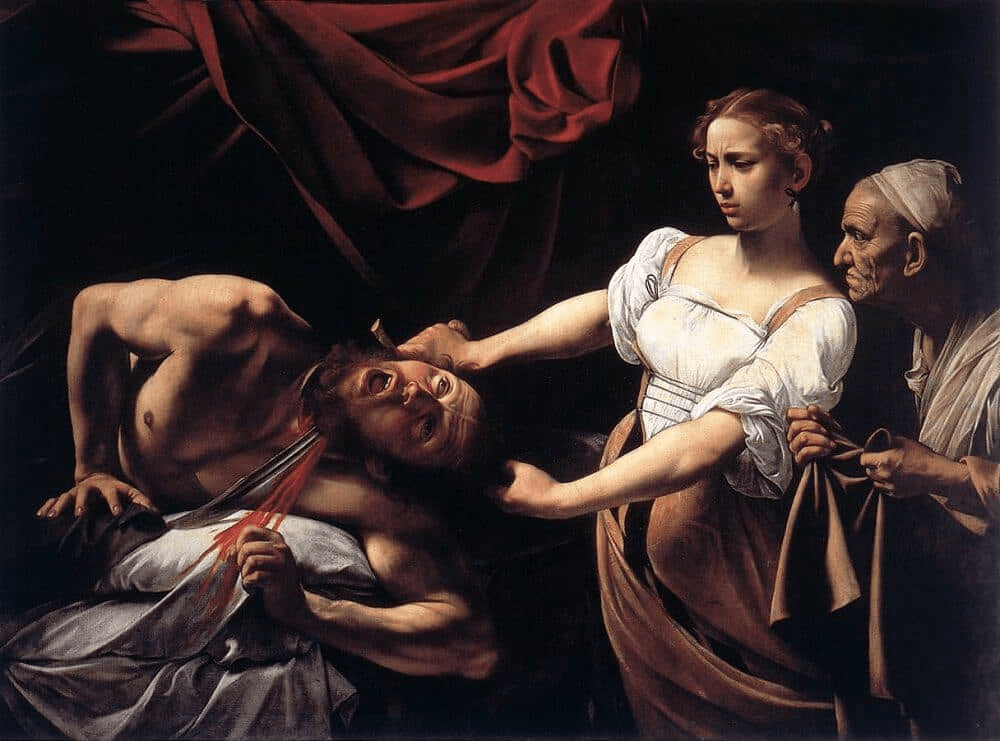
Seeing her work made me think about how women throughout history have had to fight for space—not just in art, but in every field.
- Grandma Moses: Proof That It’s Never Too Late

Anna Mary Robertson Moses—better known as Grandma Moses—didn’t start painting seriously until she was in her late 70s. And yet, her folk art became a national treasure. She painted simple, joyful scenes of rural life, capturing nostalgia in a way that feels timeless.
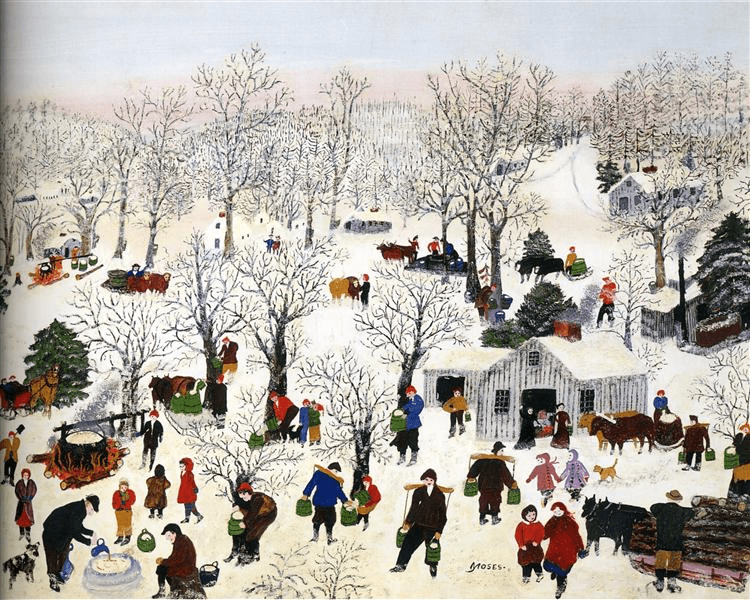
Photo: WikiArt
Looking at her paintings, I was reminded of days in the past—simpler at a different pace. It’s a reminder that art doesn’t have to be grand or revolutionary to matter. Sometimes, it’s about preserving memories, about telling the stories of everyday life.
- Joan Mitchell: Emotion in Every Brushstroke
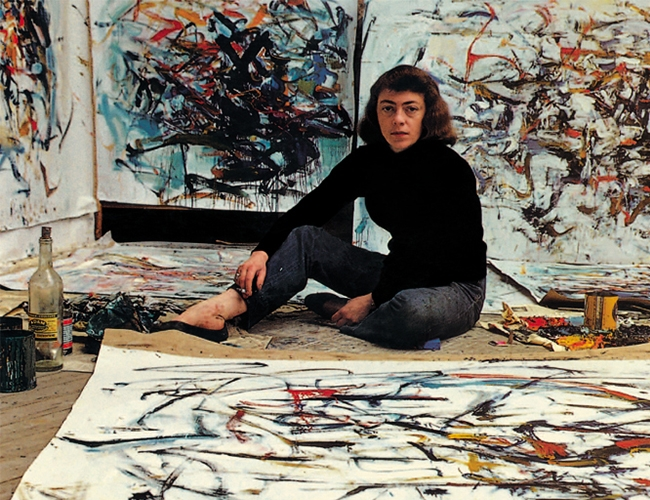
Joan Mitchell’s paintings are a rush of color and movement. As part of the Abstract Expressionist movement, she didn’t try to capture reality—she captured feeling. Upon closer look, it seems like her work was a combination of energy, chaos, and beauty.

© Joan Mitchell Foundation.
Her work reminded me that art doesn’t always need to be understood; sometimes, it just needs to be felt. And that’s a powerful thing.
Why Women’s Representation in Art Matters
When we talk about women in art, we’re talking about more than just paintings and sculptures. We’re talking about voices, perspectives, and stories that deserve to be seen and heard. These five artists—each so different from the other—prove that representation isn’t just about fairness; it’s about richness.
Women’s art expands our understanding of the world. It challenges us, moves us, and makes history more complete.
This Women’s Month, let’s celebrate them. Let’s look at their work, share their stories, and remember that art is always more powerful when more voices are included.

You must be logged in to post a comment.