Christmas art doesn’t have to be sweet and predictable. In the 21st century, a number of artists have taken iconic symbols of the season — trees, Santa, and holiday cheer — and reimagined them in ways that challenge tradition, provoke conversation, and even stir controversy.
Here are five standout Christmas artworks that made an impact — and what I learned from them along the way.
1. Tree by Paul McCarthy (2014)
Perhaps the most infamous contemporary Christmas artwork, Tree was a 24-meter inflatable sculpture installed in Paris’s Place Vendôme for the FIAC art fair. What was officially presented as a Christmas tree was widely interpreted as resembling a giant sex toy — and McCarthy didn’t deny it was intentional. This absurdist twist sparked protests, vandalism, and global headlines about public art and artistic freedom.
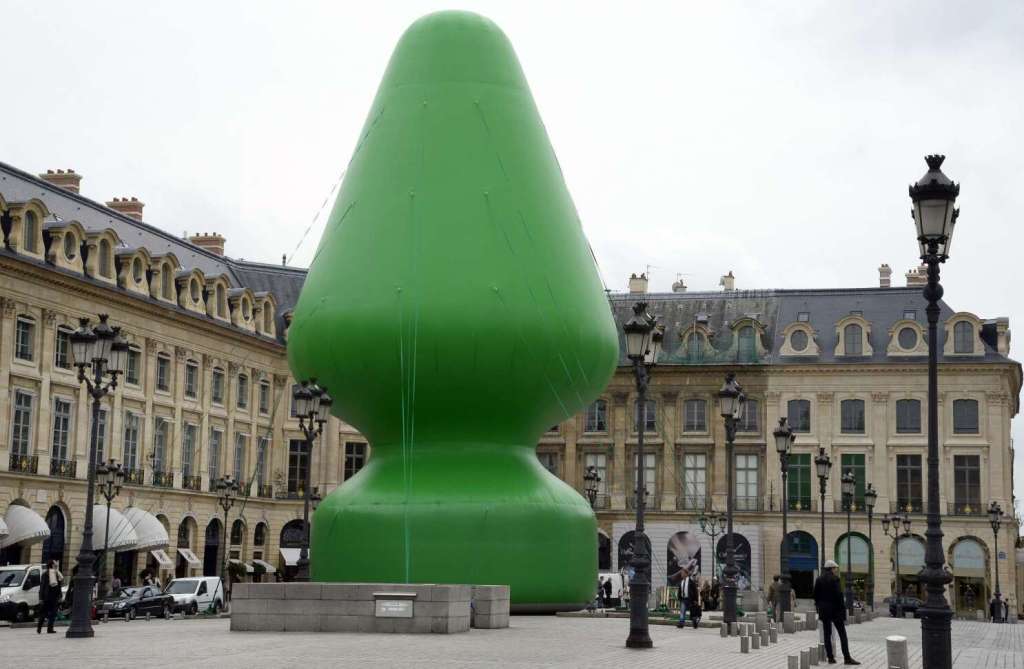
I learned that Christmas symbols can become mirrors, reflecting cultural anxieties about consumerism, identity, and public space. When I first saw images of this piece, I was struck by how a simple shape can ignite a fierce debate about meaning and intent.
2. Santa Claus (sculpture) by Paul McCarthy (2001)
Long before Tree, McCarthy stirred conversation with this sculpture in Rotterdam — officially a Santa holding a tree, but colloquially known as the “Buttplug Gnome.” Its playful yet provocative design comments on consumer culture and the sanitized sentimentality of holiday iconography.
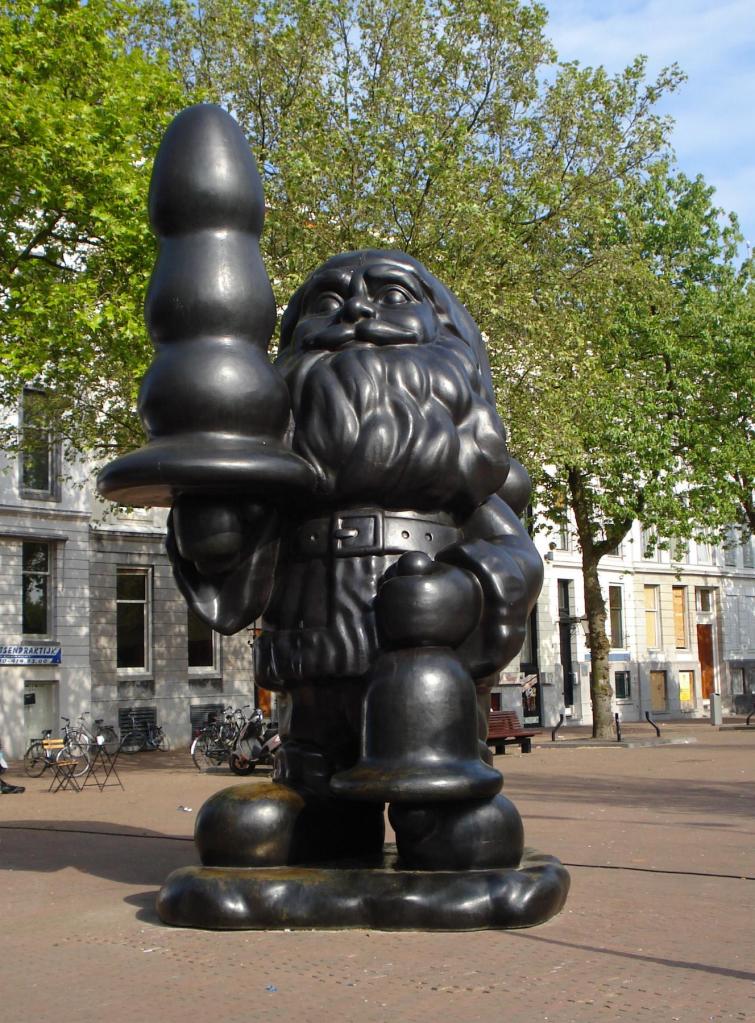
What I saw in this piece was humor with a serious edge — it made me ask myself how much of Christmas is about comfort versus critique.
3. Tate Britain Christmas Trees (various artists)
The Tate’s annual tradition of commissioning contemporary interpretations of the Christmas tree brings modern art into the holiday spotlight. One memorable iteration by Shirazeh Houshiary hung the tree upside down, roots gilded and reaching skyward — a contemplative twist on tradition that invited viewers to reconsider sources of nourishment, stability, and spiritual grounding.
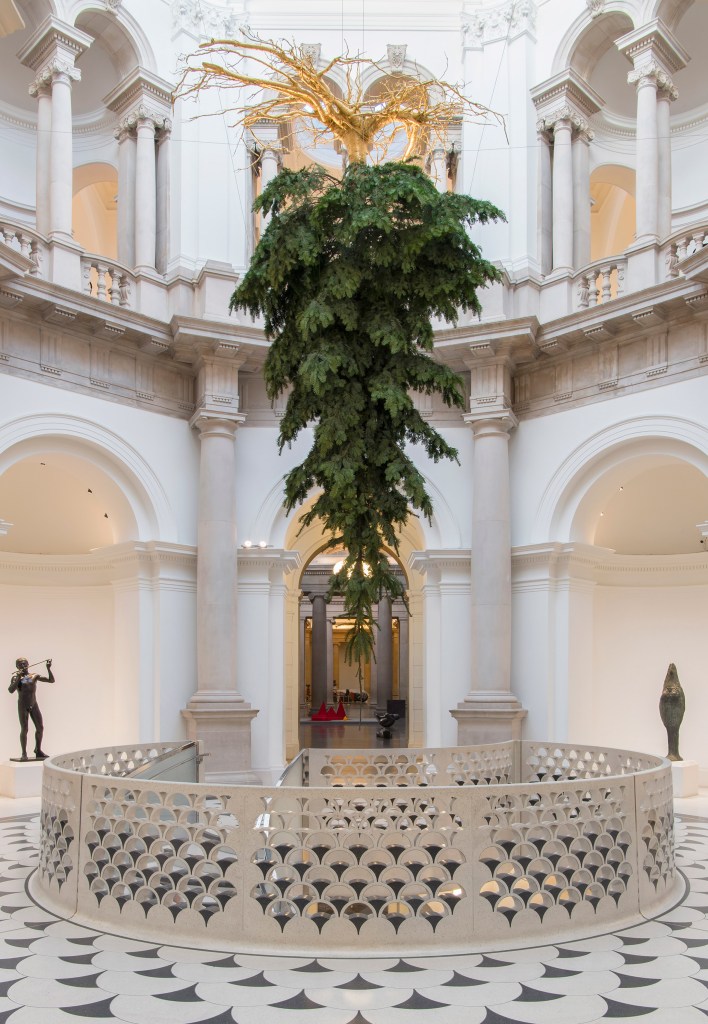
I learned that even the most familiar symbol — the Christmas tree — can be rethought to connect deeper ideas about life and roots.
4. Christmas Tree by Ai Weiwei (2018)
Ai Weiwei’s Christmas Tree is anything but festive at first glance. Constructed from twisted metal debris and industrial materials, the tree feels heavy, almost wounded. Instead of ornaments, the work carries the weight of history — fragments that reference displacement, labor, and political struggle. Displayed during the holiday season, it quietly disrupts expectations of warmth and abundance.
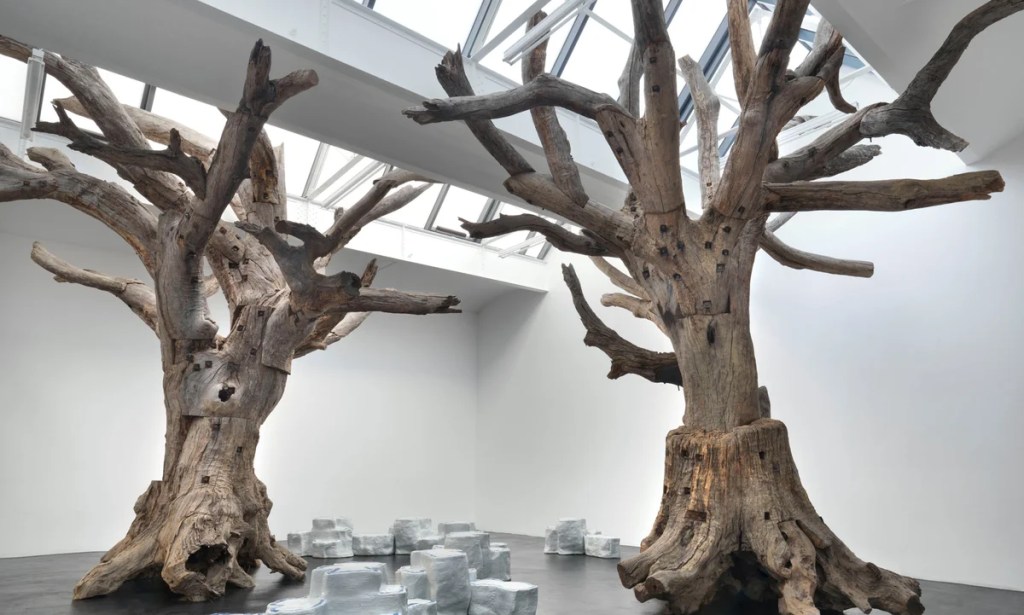
What I learned from this piece is that Christmas can also be a time for reckoning. When I encountered images of Ai Weiwei’s tree, I didn’t feel comforted — I felt challenged. It reminded me that celebration and conscience can exist in the same space, and that art can honor the season by refusing to look away from difficult truths.
5. The Singing Tree by Es Devlin (2017–2018)
Illustrator Oliver Jeffers took a whimsical approach with an aquatic themed “Fish-mas tree” Rather than a static sculpture, The Singing Tree — created by British stage and installation artist Es Devlin for the Victoria & Albert Museum’s Christmas season — was an interactive, multimedia rethinking of the holiday tree. Visitors contributed words that were transformed through machine learning into an evolving audio-visual carol, with light, sound, and digital projection creating a “living” seasonal sculpture rather than a traditional evergreen or ornamented structure.
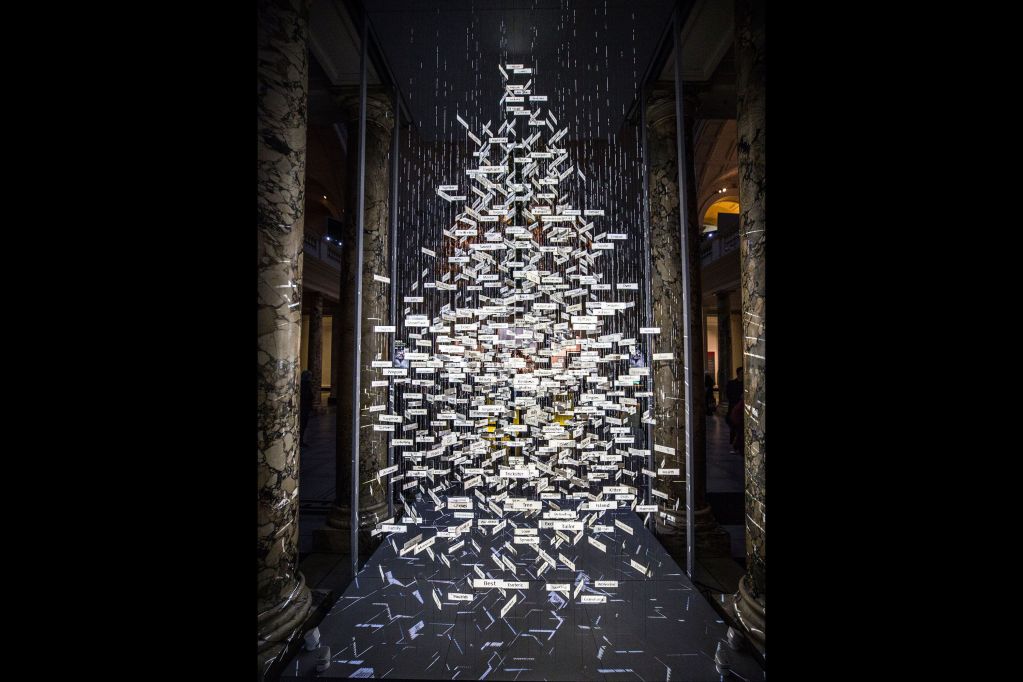
What I learned from this work is that Christmas art can sing — literally and metaphorically. Instead of offering a fixed image of joy, Devlin’s tree invited public participation and machine interpretation, blurring the boundaries between creator, audience, and meaning. It made me question what a Christmas symbol is when it becomes collective choreography — a sculpture shaped by human voice, algorithm, and shared language.
I learned that Christmas art can be playful and thoughtful — reminding us to include care for our planet in our festive stories.
From controversy to celebration, these artworks show that Christmas art in the 21st century isn’t just decoration — it’s dialogue.
I’m thrilled to announce that my book, The Business of Art: How to Become a Successful Artist in Today’s Market, is now published and available on Amazon!
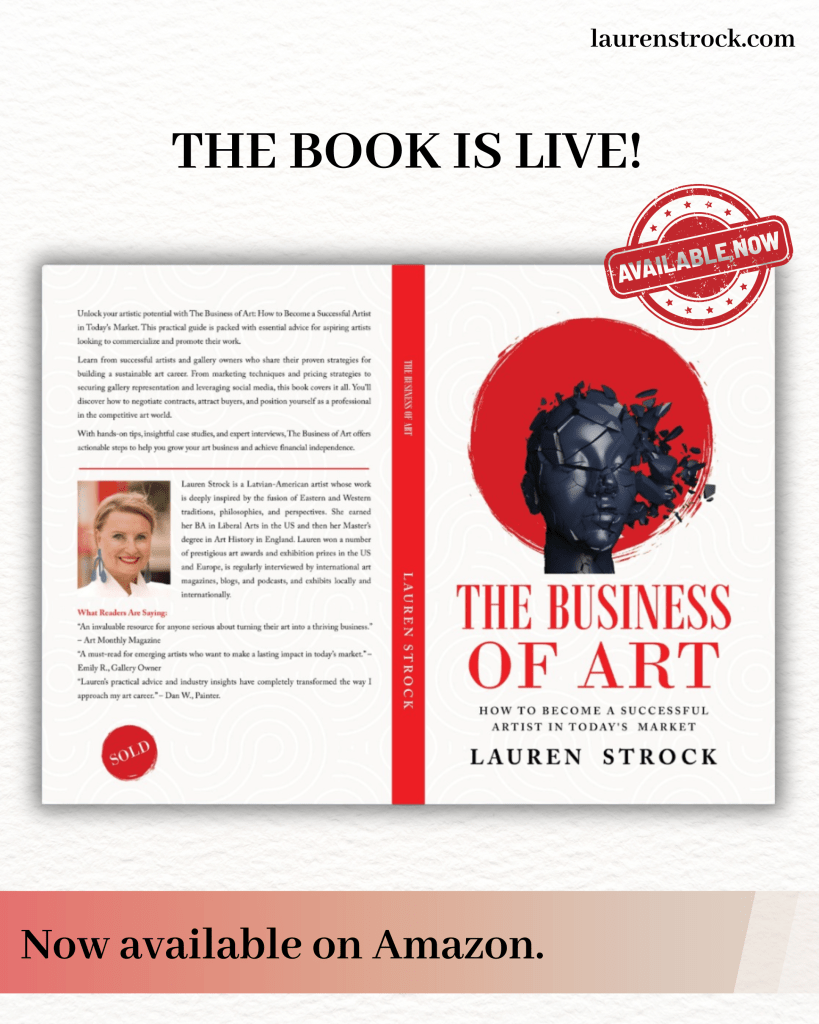
This journey has been incredible, and I can’t wait to share my story with you all. Whether you love art, aesthetics, or even general business tips, there’s something in this book for everyone!

You must be logged in to post a comment.