As the art world continues to evolve in the digital age, one of the most important shifts is happening not in how art looks, but in how it is owned, verified, and protected.
At the center of this transformation is digital provenance—the ability to track the origin, ownership, and transaction history of an artwork through blockchain technology. Traditionally, provenance relied on paper trails, certificates, and trust in institutions. Today, technologies like NFTs are redefining this system.

A non-fungible token (NFT) is essentially a unique digital identifier recorded on a blockchain that certifies ownership and authenticity of an asset. Unlike physical certificates, NFTs function as tamper-resistant digital records, allowing ownership to be publicly verified and transferred with ease.
For galleries, this introduces both opportunity and responsibility.
The Opportunity: Transparency and New Markets
NFTs solve a long-standing issue in digital art: authenticity. Because digital files can be copied infinitely, proving originality has always been difficult. NFTs address this by linking a work to a verifiable record of ownership and provenance.
Beyond this, fractional ownership is opening entirely new business models. Through tokenization, a single artwork can be divided into multiple digital shares, allowing several collectors to own portions of a piece—similar to owning shares in a company.
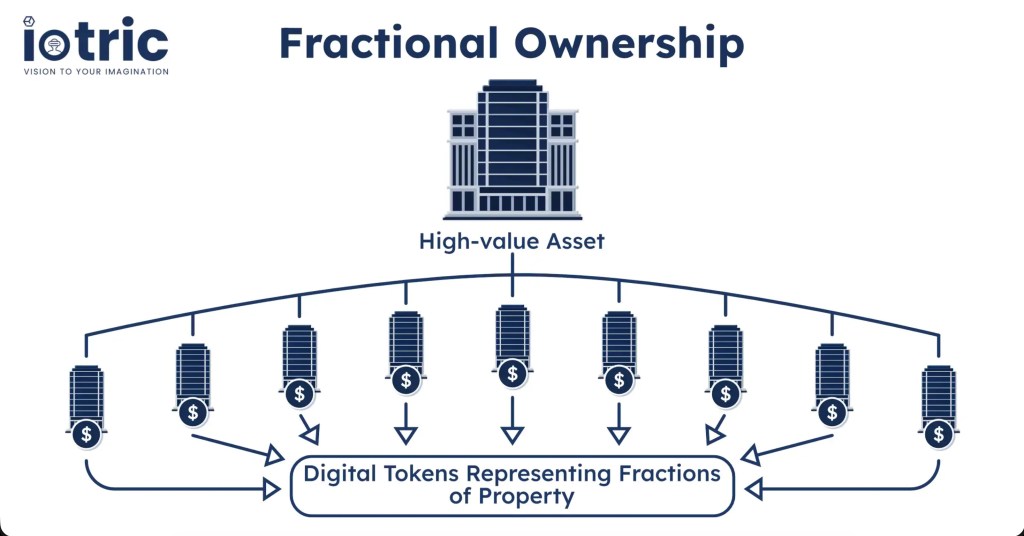
This has two major implications:
- Accessibility: High-value artworks become available to a broader audience
- Liquidity: Art becomes easier to trade, increasing market activity
For galleries, this means expanding beyond traditional collectors into a more global, digitally-native market.
The Risk: Legal Ambiguity and Misunderstood Ownership
However, the benefits come with significant risks—particularly in legal clarity.
One of the most common misconceptions is that owning an NFT means owning the artwork itself. In reality, an NFT typically represents ownership of a token—not necessarily the copyright or intellectual property rights of the underlying work.
Real-world examples show both the promise and complexity of NFTs. Artists like Beeple achieved record-breaking success, while others like Amber Vittoria found financial freedom—but also discomfort with the fast-paced NFT culture.

Photo: UCCA Beijing
At the same time, artists such as Osinachi have used NFTs to reach global audiences beyond traditional gallery systems. Yet concerns remain real: many artists have reported their work being minted and sold without permission, reinforcing the need for stronger protections and clearer frameworks.

In many cases, the rights attached to an NFT depend entirely on the contractual terms set by the artist or platform. Without clear agreements, buyers may only receive limited usage rights, such as personal display, rather than full commercial ownership.
Additionally, NFTs do not yet fit neatly into existing legal frameworks. Questions around property law, copyright, and jurisdiction remain unresolved across many regions.
For galleries operating in this space, this creates a critical need for due diligence.
What Galleries Should Do Now
To navigate this evolving landscape, galleries should adopt a risk/benefit framework:
- Define ownership clearly: Ensure contracts specify what rights are transferred (display, reproduction, resale)
- Verify provenance systems: Use reliable blockchain platforms and understand how records are maintained
- Educate collectors: Clarify what buyers are actually purchasing
- Consult legal expertise: Especially for cross-border sales and digital assets

A Personal Perspective: Curiosity, Caution, and Control
This year, I was approached several times by individuals offering to help sell my paintings as NFTs.
At first, it felt like an opportunity—an invitation into a rapidly evolving space that many artists are exploring. But alongside that curiosity came a sense of caution. Not hesitation out of fear, but out of responsibility.
As an artist, you learn to protect not just your work, but what it represents.
The offers raised important questions:
- Who controls the work once it’s tokenized?
- What exactly is being sold—the image, the rights, or simply a digital record?
- And perhaps most importantly, does entering this space align with the intention behind the work itself?
Rather than rushing in, I chose to step back, observe, and understand the landscape more deeply. Because while new technologies can open doors, they also require clarity—especially when it comes to ownership, rights, and long-term value.
This is where many artists find themselves today: not rejecting NFTs outright, but approaching them thoughtfully.
The Bigger Picture
Digital provenance is not just a technical upgrade. It is a structural shift in how art is valued and exchanged.
NFTs and fractional ownership are not replacing traditional systems, but they are challenging them. For galleries, the goal is not to resist this change, but to engage with it thoughtfully.
Because in a market driven by both creativity and trust, the future will belong to those who understand not just how to sell art but how to secure it.

You must be logged in to post a comment.